You can like the way a kitchen looks and still find it frustrating to use.
Maybe the counters fill up before you’ve started dinner. The cabinets have plenty of space, but everything you need is behind something else. Or the kitchen becomes a traffic jam whenever two people try to cook.
For Lancaster homeowners, the most useful kitchen remodeling trends address those everyday problems while respecting the home’s character. A kitchen in an older city home may need a different approach than one in a newer house in Manheim Township.
Here are several current design directions worth considering—and how to make them work for your home.
Warmer Cabinetry With Room for Your Own Style
Wood cabinetry is getting renewed attention. In the national U.S. Houzz Kitchen Trends Study, wood edged ahead of white as the most popular cabinet color among surveyed renovating homeowners. White remains a common choice, so there’s no reason to replace cabinets you enjoy simply because another finish is gaining ground.
For a Lancaster kitchen, the decision should start with the surrounding rooms. Consider your flooring, trim, doors, and the amount of natural light before choosing a finish.
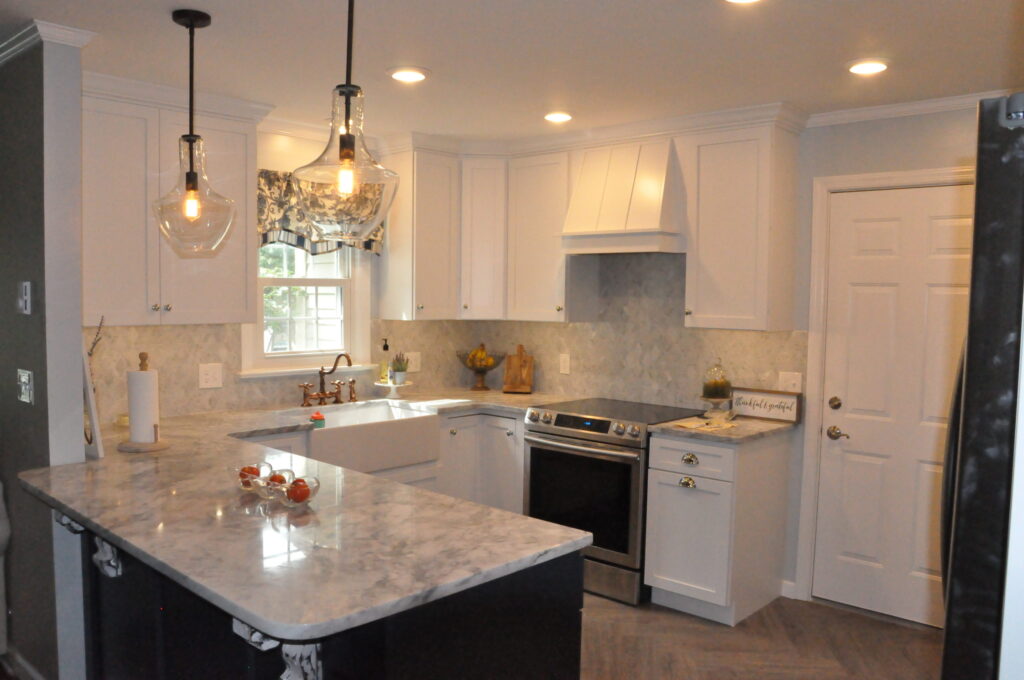
A wood island paired with painted perimeter cabinets can introduce warmth without making the entire room feel darker. Simple cabinet profiles can also help connect updated finishes with an older home’s existing details.
Our kitchen remodeling services include exploring cabinet and countertop options so you can see how those choices work together before construction begins.
Storage That Solves Specific Problems
A bigger kitchen won’t automatically give you better storage.
Nationally, pantry cabinets are the most common built-in feature added during surveyed kitchen renovations. Beverage stations are another popular choice. Both reflect a practical goal: giving everyday items a dedicated place.
Before planning new cabinets, take stock of what’s causing frustration. Deep drawers can make pots easier to reach. Pull-out shelves can improve access to pantry items. A dedicated cabinet for small appliances can free up valuable counter space.
In a kitchen with limited square footage, these changes may be more useful than trying to squeeze in additional cabinetry wherever it fits. The right storage plan starts with what you actually use.
Better Flow Before More Square Footage
An island can add preparation space, seating, and storage. It can also become the thing everyone has to walk around.
Before adding one, consider how the refrigerator, dishwasher, cabinet doors, and seating will function together. Think about the route people take through the kitchen, too. Someone heading to the back door shouldn’t have to pass directly through the main cooking area.
Our guide to the kitchen work triangle explains the relationship between the sink, cooking area, and refrigerator, along with situations where separate work zones may make more sense.
For an older Lancaster home, improving that flow might mean relocating an appliance or adjusting a doorway. Removing a wall is another possibility, but its structural role and any utilities inside it need to be evaluated first.
A Kitchen That Still Belongs in Your Home
Transitional design remains the leading style among Houzz respondents who are changing their kitchen’s style. It combines traditional and contemporary elements, leaving room for familiar details alongside cleaner finishes.
That approach can be useful when updating a Lancaster home with established architectural character. You might retain meaningful trim details while introducing simpler cabinetry, improved lighting, and a more practical layout.
If your home is in Lancaster City’s Historic District, there’s an important distinction: the Historical Architectural Review Board does not review interior work. Exterior changes visible from a street or public alley can require review. A kitchen project involving windows, doors, or exterior venting should be checked with the City before work begins; building permit requirements are a separate consideration.
For homes elsewhere in Lancaster County, confirm requirements with the municipality where the property is located.
Planning for the Years Ahead
Kitchen remodeling is also an opportunity to consider how your needs may change.
Easy-to-reach storage, comfortable circulation space, and lighting over preparation areas can make daily tasks more manageable. National Houzz findings also identify growing attention to aging-in-place considerations in kitchen renovations.
These choices deserve attention early in the design process, when cabinet placement and appliance locations are still flexible.
Start With What You Want Your Kitchen to Do Better
Before collecting finish samples, write down the three things you’d most like to improve.
Better storage? More preparation space? A comfortable place for family to gather?
Those answers will help you decide which trends deserve a place in your remodel. At Shakespeare Home Improvement, we’ll work with you to plan a kitchen around your home, your budget, and the way you live.
Ready to explore the possibilities? Schedule a free consultation to discuss your Lancaster kitchen remodeling project.